Biofuels such as biodiesel and bioethanol create jobs, contribute to the GDP of manufacturing industries, and help reduce greenhouse gas (GHG) emissions.
In 2023, the biofuels sector reached record sales of 700,000 tonnes of biodiesel, a 2% increase over the previous year.
Bioethanol sales, for their part, reached 81 million gallons.
Bogotá, D. C., February 2024. In 2023, the biofuels sector celebrated a record reduction in carbon dioxide (CO₂) of 3.2 million tonnes, a 7% increase over 2022.
Biodiesel, which comes from palm oil, and bioethanol, which comes from sugarcane, generate 90,000 jobs and support an additional 470,000 positions. In 2023 alone, biofuels contributed 2.8% of the country’s manufacturing GDP. In addition, thanks to their chemical composition, these clean fuels have also reduced particulate matter by about 800 tonnes over the past year.
Likewise, in 2023 the biofuels sector recorded record biodiesel sales of 700,000 tonnes, a 2% increase over 2022, and national demand for blended diesel rose 1.4%, outpacing the growth of Gross Domestic Product (GDP).
Meanwhile, national bioethanol sales reached 81 million gallons, representing 56% of the market. Regular gasoline consumption contracted by 2.6% to 154,000 barrels per day, a decline attributed to the proven price elasticity of demand.
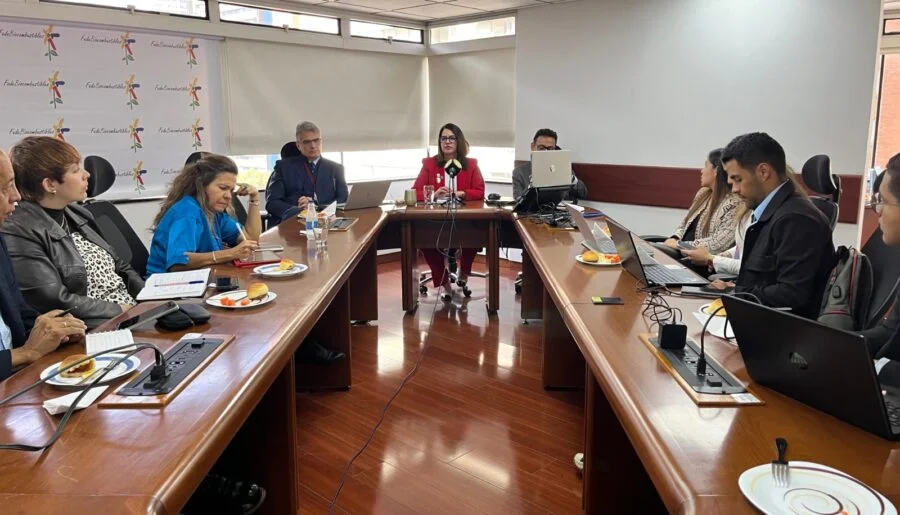
“These figures confirm Colombians’ contribution to a more sustainable future through the use of biofuels as a liquid energy for transportation. They are a key tool that can help Colombia meet the challenge of decarbonizing its economy and reducing greenhouse gas (GHG) emissions by 51% by 2030, which requires immediate action to ensure energy self-sufficiency and a gradual transition,” said Carolina Rojas, president of the National Biofuels Federation, Fedebiocombustibles.
Dump trucks, trucks, and parcel delivery vehicles in Colombia help reduce ghg emissions
Initiatives such as the Biofueling Club (Club de Biotanqueo), in which trucks, tractor-trailers, and dump trucks in Antioquia and Cundinamarca voluntarily use higher biofuel blends, now include more than 1,230 vehicles running on B20 and have saved 6,500 tonnes of greenhouse gases, helping mitigate climate change.
Meanwhile, several automotive brands have announced that they will bring flex-fuel vehicles to Colombia—in fact, they are already arriving—capable of running on blends of up to 85% bioethanol in gasoline, immediately helping reduce greenhouse gas emissions by making use of existing infrastructure.
For this reason, the Federation and the sector propose moving from pilot programs of this kind to quota programs, allowing more service stations to distribute higher voluntary blends. This takes into account the growing interest in accessing these biofuels, as shown by the Barómetro Petrolero, a study by Jaime Arteaga y Asociados in partnership with the Centro Nacional de Consultoría, which found that 74% of Colombians agree with expanding the use of biofuels as an energy source in the country.
In addition, 2024 marks the start of building the decarbonization roadmaps for air and maritime transport, where sustainable aviation fuels (SAF) and sustainable maritime fuels (SMF) take on a fundamental role, as they are the main strategies for reducing emissions in these sectors.
Leveraging Colombia’s available biomass potential and strategic location, BioD and LanzaJet are exploring pioneering production of SAF (Sustainable Aviation...
Complete the form and one of our advisors will contact you soon with more information.
If you prefer, you can also contact us via WhatsApp, which is available from 8:00 a.m. to 5:00 p.m.
Thank you for contacting us.
We have received your information and will contact you soon with more details.
In the meantime, we invite you to continue learning about how we care for the origin of everything and how we are committed to working towards a future for everyone.